
Professional game event management turns a release announcement into a shared experience. In Thailand, that means combining local player culture, creators, live entertainment, community participation, reliable production, and digital follow-up.
The best events do not merely introduce a game. They give players a reason to remember it, discuss it, and invite others into the experience.
Why Game Launches Need More Than a Stage
A game launch can disappear quickly in a crowded content feed. A trailer may earn views, but it does not automatically create emotional attachment. A live event changes the relationship between a title and its audience because players can test, compete, react, and share in real time.
Thailand has an active gaming community and major consumer events connecting publishers, creators, esports groups, and fans. The 2025 Gamescom Asia x Thailand Game Show reported more than 206,000 visitors, showing the scale of interest, a well-produced gaming experience can attract.
This makes professional Game Event Management Thailand valuable for publishers that want their launch to feel locally relevant rather than imported.
Start with One Clear Purpose
Every decision should support a primary objective. Is the event intended to increase awareness, collect registrations, generate media coverage, drive downloads, support retail sales, or reactivate an existing community?
An event trying to achieve everything often becomes confusing. A better approach is to choose one main goal and two supporting goals.
For example, the primary objective may be generating pre-registrations, while creator content and press coverage support that outcome.
The objective should also guide the format. A competitive game may suit a tournament-style launch. A story-led title may benefit from immersive sets, character performances, developer interviews, and guided demos. A mobile game may need quick challenges, QR registration, and creator-led livestreams.
Localize the Whole Experience
Thai localization should go beyond translated signs and subtitles. Professional planners consider how local audiences discover games, interact with creators, move through venues, take photos, join competitions, and share content.
The host should sound natural in Thai instead of reading a rigid translation. Activities should suit local humor and communication styles. Music, visual references, rewards, and audience participation should feel appropriate to the community.
The schedule should also consider venue access, local travel patterns, and the times when people are most likely to attend or watch online.
Good localization does not weaken the game’s original identity. It presents that identity in a way Thai players can understand and enjoy immediately.
Create Moments People Want to Share
A memorable launch needs planned “share points.” These are scenes and activities that naturally encourage photos, short videos, livestream clips, and online conversations.
Examples include:
- A countdown followed by a trailer reveal
- A playable challenge with a visible leaderboard
- A mobile-friendly themed photo area
- A creator-versus-player match
- A reward unlocked through participation
- A surprise announcement or collectible drop
These moments should appear throughout the event instead of being saved for the end.
Each activity needs clear instructions and a simple call to action. Participants should quickly understand what to do, how to join, and what they may receive.
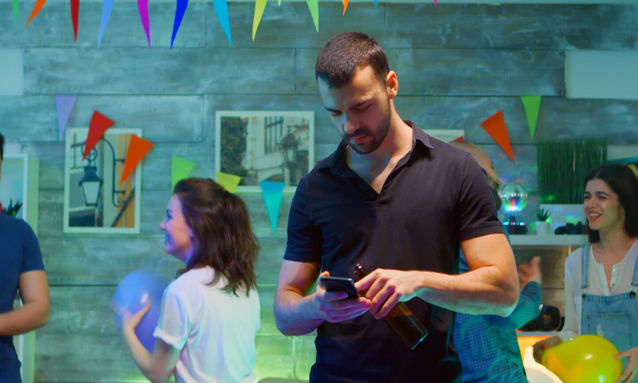
Game Event Management Thailand
Serve Physical and Online Audiences
The venue audience represents only part of the potential launch reach. A professional plan treats the event as a complete content-production system.
Livestream cameras, clean audio, creator interview spaces, vertical-video capture, press photography, and rapid editing should be planned before event day.
The production team should know which moments are intended for YouTube, TikTok, Facebook, media coverage, creator channels, and post-event recap videos.
This hybrid approach also extends the experience beyond Bangkok. Players elsewhere in Thailand can participate through livestream polls, watch parties, digital rewards, online challenges, or community competitions.
Prepare for Technical Problems
Gaming events depend heavily on stable technology. Internet capacity, demo devices, power supplies, registration systems, screens, audio equipment, lighting, and game servers all require testing.
A professional team creates backups for critical systems and rehearses with hosts, creators, players, and technical operators.
Load testing is particularly important when many people may scan a QR code, download a client, log into an account, or enter the same game server together.
A polished audience experience often comes from invisible preparation. Fast entry, clear signs, short queues, trained staff, and immediate troubleshooting can matter as much as the main stage.
Measure What Happens Next
Event success should be connected to the wider launch objective. Organizers can track:
- Physical attendance
- Livestream reach
- Creator posts
- Media mentions
- Demo completions
- QR-code scans
- Downloads
- Wishlist additions
- Reward redemptions
- Audience sentiment
Unique links or codes can identify which creators, activities, and event zones produced action.
Comparing results before, during, and after the event shows which moments generated meaningful interest rather than temporary attention.
Frequently Asked Questions
What does a game event management team handle?
It may manage the event concept, budget, venue, staging, technical production, creators, registration, livestream, staffing, security, audience experience, and performance reporting.
How early should event planning begin?
A small activation may need several weeks. A large public launch may require three to six months, depending on the venue, talent, permissions, and production complexity.
What makes a gaming event successful in Thailand?
Clear goals, thoughtful localization, reliable technology, community participation, creator integration, and measurable follow-up are the main factors.
Conclusion
Professional Game Event Management Thailand turns a release into a moment by connecting business strategy with audience emotion.
When localization, production, creators, technology, and measurement work together, players do more than attend an event. They become part of the launch story and carry its momentum into their own gaming communities.


