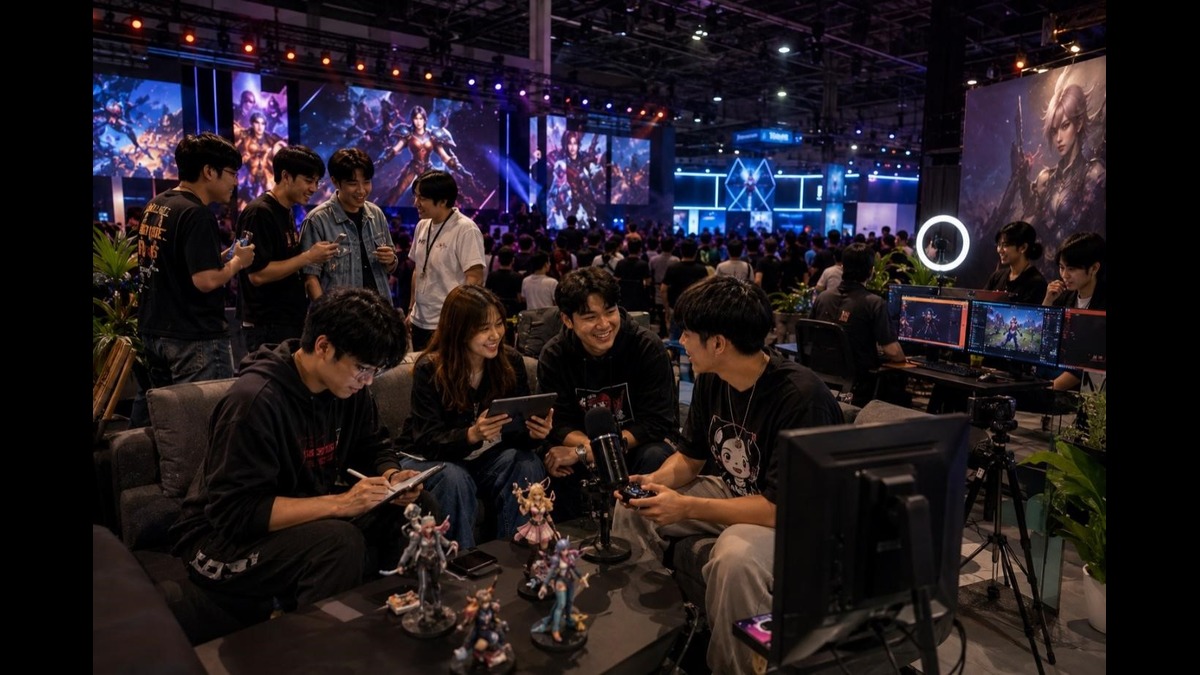
Creator marketing in gaming is becoming more structured. Publishers are no longer working only with a few high-profile influencers during a launch. Increasingly, they are developing programmes that recruit creators, provide resources, encourage regular content and create opportunities for emerging talent.
Thailand provides a particularly interesting example because publishers are combining creator activity with esports, social platforms and large offline gaming communities.
Why Publishers Want Creator Ecosystems
A game does not stop needing attention after launch day.
Live-service titles depend on new characters, maps, seasons, collaborations, competitive events and regular updates. Each provides another reason to communicate with players.
Creators can translate those updates into formats audiences already consume: livestreams, short videos, reactions, guides, competitive analysis and entertainment.
Building a creator community gives publishers a network they can activate repeatedly instead of beginning recruitment from zero every few months.
MOONTON Is Making Creators Part of Its Thailand Strategy
One of the clearest recent examples comes from Mobile Legends: Bang Bang.
MOONTON Games announced plans to strengthen its Thailand presence in 2026 through initiatives including creator competitions, TikTok-focused programmes and long-term KOL partnerships alongside broader community and esports development.
The important detail is the combination.
Creator activity is not isolated from esports or community marketing. All three reinforce one another. Competitive events create moments creators can cover, while creators make tournaments and updates visible to audiences beyond existing esports fans.
Garena Is Investing in Dedicated Creator Management
Garena's recruitment activity also demonstrates how formal creator operations have become. A current KOL-management role connected with Thailand specifically includes sourcing new KOLs for a “Creator Program”, managing that programme and matching relevant KOLs with games and audiences.
Garena has also continued bringing entertainment and gaming communities together offline. RoV Day 2025 reportedly attracted more than 3,500 gaming and T-POP fans and involved artists alongside prominent RoV KOLs.
This combination can introduce a game to adjacent entertainment audiences without abandoning its core gaming identity.
Riot Is Opening Creator Programmes More Widely
Riot Games is taking a structured approach globally as well.
In May 2026, Riot announced application periods for VALORANT, League of Legends and Teamfight Tactics partner programmes. Importantly, Riot stated that creators do not need enormous audiences to qualify; passion for the game and positive community impact are among the criteria being considered.
Benefits include game-related perks, giveaway codes, dedicated creator support, access to a Creator Hub and opportunities involving drops, campaigns and early content.
Riot’s current careers listings also include an Influencer Manager role for VALORANT in Bangkok, illustrating the value placed on market-specific creator relationships.
PUBG MOBILE Is Developing Smaller Creators Too
PUBG MOBILE’s Next Star programme shows why publisher investment is expanding beyond celebrities.
The programme is explicitly designed to help smaller influencers grow and has provided resources to thousands of content creators. Its structure also recognises consistent creator performance rather than focusing only on a single viral campaign.
That creates a talent pipeline.
A relatively small creator today may become an important gaming personality two years later. Publishers that support creators early may build relationships before their commercial value rises significantly.
What a Strong Gaming Creator Community Looks Like
An effective Gaming Creator Community Thailand strategy should therefore include several layers.
Large creators can deliver scale. Mid-tier creators can deliver strong community engagement. Specialist creators can explain complicated gameplay or competitive updates. Emerging creators can introduce new ideas and reach narrower communities.
The publisher's role is to connect those groups with meaningful opportunities.
That may include early-access sessions, creator tournaments, briefing calls, offline events, challenges, branded content, merchandise or community rewards.
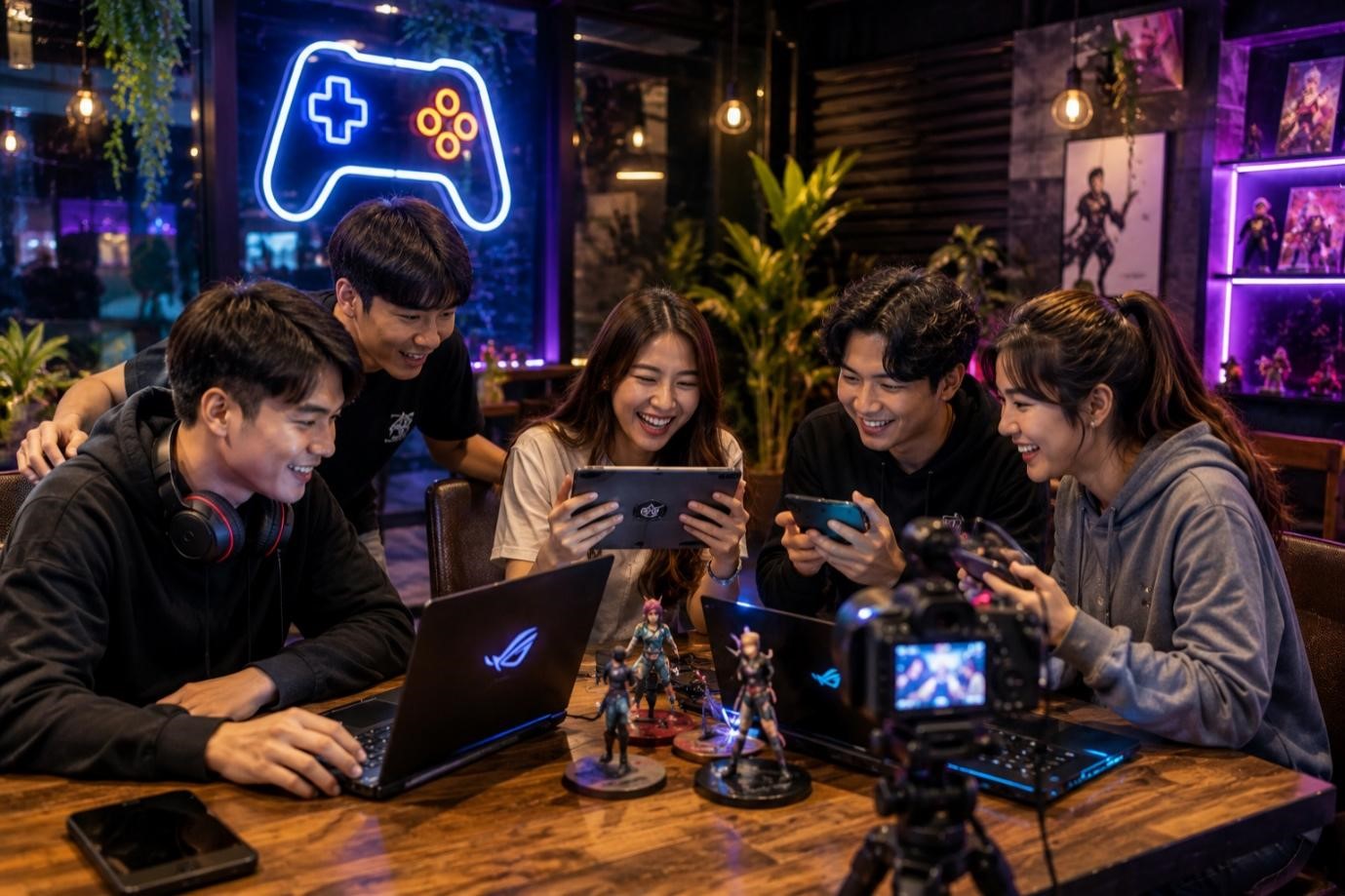
Gaming Creator Community Thailand
Why Local Knowledge Still Matters
A regional campaign cannot simply translate an English-language brief into Thai.
Local creators understand humour, gaming slang, entertainment trends and platform behaviour. They also know when a campaign idea will feel natural and when it will look like an advertisement imported from another market.
That makes creators useful before content production begins.
Inviting selected partners into campaign planning can reveal better formats, relevant cultural moments and possible community reactions.
The Lesson for Gaming Brands
The strongest publisher programmes show a shift from transactions to infrastructure.
Instead of paying creators only when media exposure is required, publishers are building systems for identifying, supporting and retaining talent.
That infrastructure creates options when a new game launches, an update arrives or an offline event needs amplification.
Conclusion
Thailand's gaming creator ecosystem is becoming more organised, and major publishers are treating creator relationships accordingly.
MOONTON's long-term Thailand plans, Garena's dedicated KOL operations, Riot's formal partner programmes and PUBG MOBILE's creator-development model all point in a similar direction.
For gaming marketers, the lesson is clear: the future is not simply hiring more influencers. It is building a creator community capable of growing alongside the game.


