
Gaming events compete for something more difficult to obtain than attendance: attention.
Players can watch tournaments, trailers, creator streams and product announcements without leaving home. To persuade them to attend physically, an event needs to offer experiences that cannot be recreated by scrolling through a feed.
Thailand's gaming-event landscape shows that the demand exists. The first combined gamescom asia x Thailand Game Show attracted 206,159 visitors across four days in Bangkok in 2025, together with 5,590 business professionals and 294 exhibitors and pavilions.
The challenge for organisers is turning that footfall into something memorable.
Design the Player Journey Before Designing the Stage
Event planning frequently begins with stages, screens, lighting and booths.
The better starting point is the visitor journey.
What happens when someone arrives? How quickly can they enter? What catches their attention first? Where can they play? Where will queues form? What can they photograph or share? What makes them stay another hour?
Thinking through these questions helps organisers identify friction before it becomes part of the live experience.
Give Players Something They Cannot Get Online
A large screen showing a trailer available on YouTube is not enough.
Physical gaming events become meaningful when players can participate.
That might mean hands-on access to an unreleased build, tournaments, speed challenges, developer sessions, cosplay activities, creator meet-and-greets or community competitions.
Even relatively simple mechanics can work if participation feels rewarding.
For example, visitors could complete three challenges across different areas of a booth and collect a limited reward at the end. The activity encourages exploration without requiring an expensive headline production.
Creators Can Connect the Stage and the Crowd
Gaming KOLs should not simply appear for a 20-minute photo session.
They can host challenges, play alongside fans, interview competitive players, create live content and move between digital and physical audiences.
The objective is to make creators part of the event experience rather than decorative celebrity appearances.
Content captured during the event can then extend its life across TikTok, YouTube and other platforms after the venue closes.
Thailand's digital scale makes that extension particularly valuable. TikTok reported an advertising audience of 56.6 million adults in Thailand in late 2025, giving event moments the potential to travel far beyond attendees when the content is genuinely shareable.
Queue Design Is Part of Event Design
Nothing damages an exciting activation faster than spending most of the day waiting.
Professional Gaming Event Management Thailand planning therefore needs capacity modelling.
Organisers should estimate how many people each activity can process per hour and decide whether timed slots, multiple demo stations or digital queues are required.
Waiting areas can also become content spaces rather than dead zones. Screens can show matches, quizzes can run through QR codes, and staff can distribute schedules or explain upcoming activities.
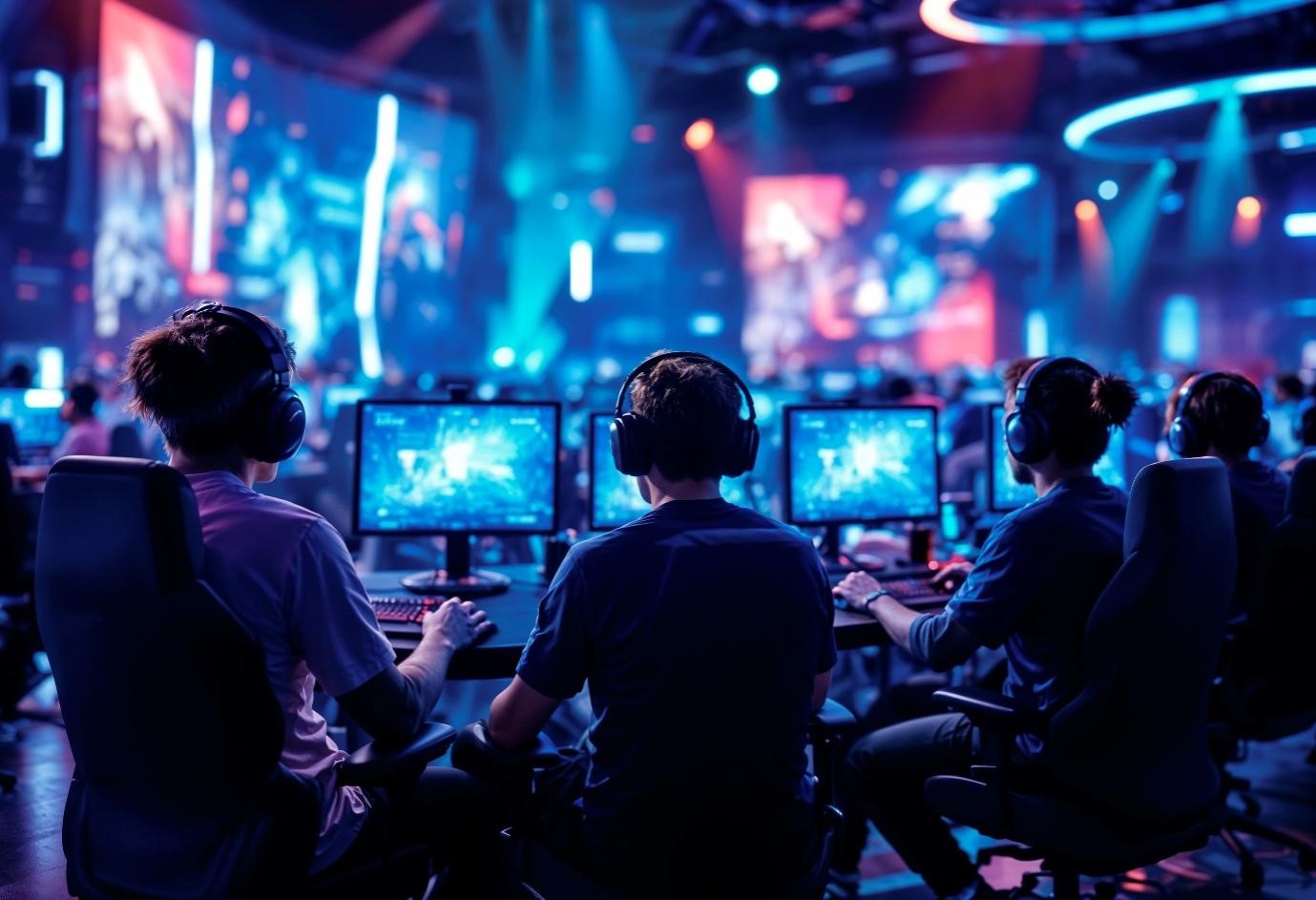
Gaming Event Management Thailand
Build for Different Types of Players
Not everyone attending a gaming event wants the same experience.
Competitive players may care about tournaments. Casual fans may want merchandise or demos. Creator followers may prioritise meet-and-greets, while cosplay communities may want stages, photography locations and competitions.
Designing several participation paths allows a broader audience to enjoy the event without forcing everyone towards the same headline activation.
Localisation Goes Beyond Thai-Language Signage
An international game arriving in Thailand still needs a local event personality.
Hosts need to understand how Thai audiences interact. Creator selection should reflect local communities. Entertainment, music, humour and programming should feel relevant rather than copied from an event in another market.
At the same time, localisation should protect the game's global visual identity. The goal is adaptation, not a completely different brand.
Plan the Digital Event at the Same Time
Offline and online production should not be separate workstreams.
Before opening day, organisers should already know which moments will become short-form videos, which stage sessions will be livestreamed, where creator content will be filmed and how fans will find official hashtags or campaign pages.
A strong event therefore generates three assets simultaneously: the physical experience, live digital reach and post-event content.
Measure More Than Footfall
Attendance is useful, but it cannot explain whether people enjoyed the experience.
Event reporting can also include:
- Demo participation and repeat participation.
- Tournament registrations.
- QR scans or account sign-ups.
- Creator-content views.
- Average dwell time.
- Merchandise or redemption activity.
- Social mentions and user-generated content.
- Post-event community growth.
Those indicators provide better guidance for the next event.
Conclusion
Players remember gaming events because of what they did, discovered and shared—not because the organiser hired the largest LED wall.
Strong event management combines programming, crowd flow, localisation, creators, technology and digital amplification into one experience.
Thailand clearly has the audience for major gaming gatherings. The opportunity for publishers is to turn those gatherings into experiences players still discuss after they have gone home.


